The Karl Studer Foundation's inaugural family retreat provided two families a much-needed break from medical obligations, focusing on unstructured time and shared experiences.
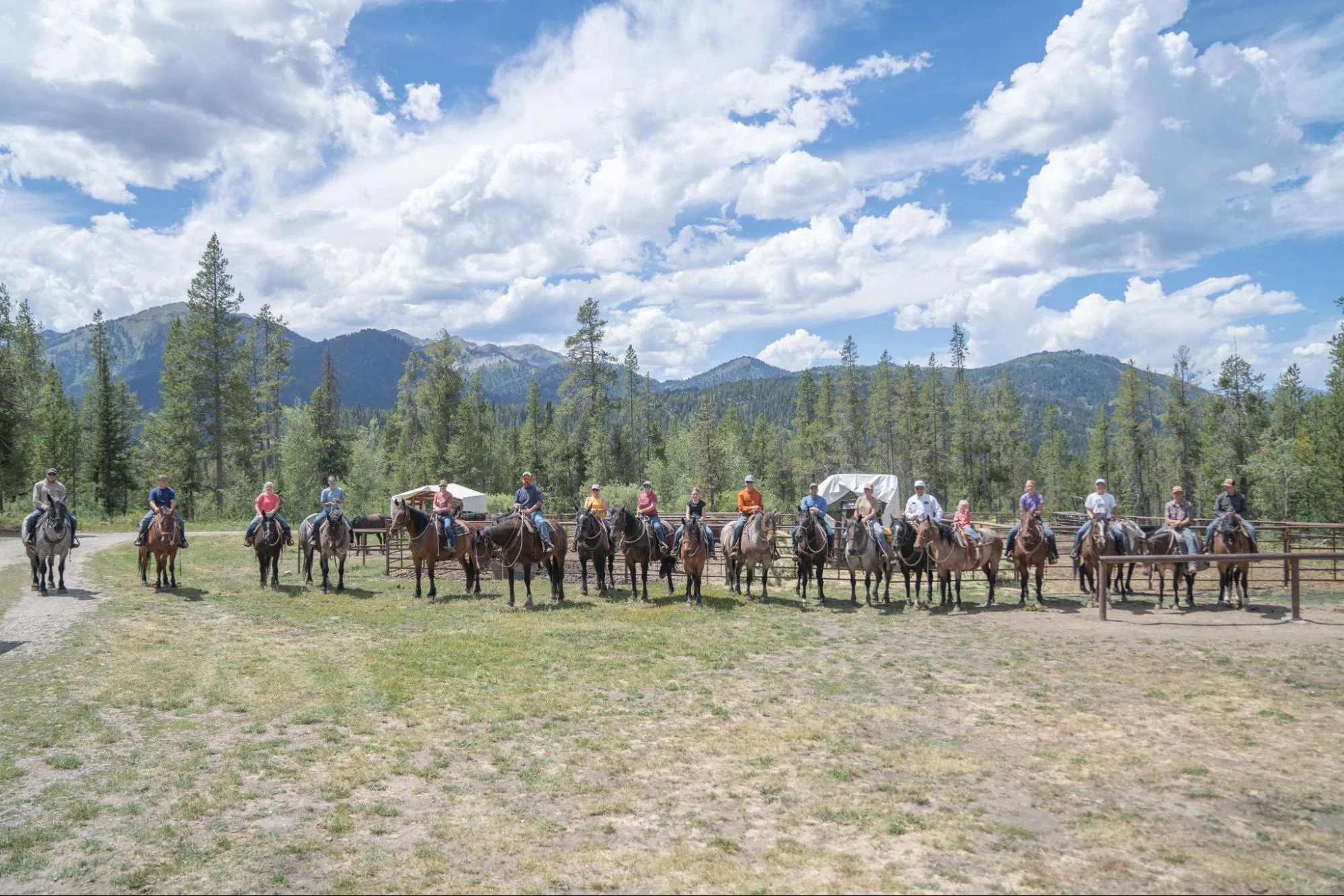
In July, two families were given a rare opportunity to step away from their hospital routines for the Karl Studer Foundation's inaugural family retreat, Trip of a Lifetime. For an entire week, participants experienced life without appointments or treatment schedules, a significant emotional relief for families grappling with terminal illnesses or major health challenges.
Setting the Scene in Alpine, Wyoming
The retreat took place in Alpine, Wyoming, nestled in Star Valley near the Greys River, just an hour from the more commercial Jackson Hole. Families enjoyed a glamping experience in tents designed for comfort rather than opulence. Sleeping arrangements were simple, featuring cots with linens, and each tent had a wood stove available for the cooler nights. While Wi-Fi was accessible, it was used sparingly to encourage a disconnect from everyday pressures.
The facilities managed to keep a rustic charm while providing necessary comforts. Bathrooms were conventional outhouses, and shower access relied on a generator for hot water, reflecting a deliberate choice to keep the experience authentic yet manageable. The Framework's focus was on minimizing logistical burdens for families already under significant strain.
Emphasizing Freedom of Choice
This retreat differentiated itself from traditional guided vacations by offering a largely unstructured schedule. Activities included fishing on the Greys River, horseback riding, kayaking, and even attending a rodeo. However, participation in these activities was entirely optional, allowing family members to choose relaxation over obligation without any pressure to participate in a fully booked itinerary.
This design choice was intentional, reflecting a philosophy that values unstructured time. Instead of providing a packed schedule, the Foundation let families define their experience — allowing for simple moments that could foster genuine connections and relaxation. Such an approach requires trust that silence and leisure can be as therapeutic as action, presenting a quieter form of restoration.
Evenings of Normalcy and Connection
The evenings were beautifully simple, featuring shared meals around campfires and music from artist Henry Pepin. Rather than organizing group therapy sessions or wellness workshops, the Foundation aimed to create a familial atmosphere typical of vacations, focusing on enjoying each other’s company without the weight of illness overshadowing the experience.
Karl Studer articulated this vision clearly: “Instead of dwelling on what's difficult, we wanted these families to spend a week noticing what they still have: each other.” This sentiment anchored the entire retreat; families were treated not as charity recipients but as honored guests, emphasizing their resilience and relationships rather than their challenges.
Positioning within a Broader Context
The Studer Foundation is not an isolated case; similar organizations have successfully tailored respite weeks for families in distress. For instance, the A Week Away Foundation has been providing this kind of relief for over a decade, structured around the philosophy that time away can deliver comfort that financial aid alone cannot. Both organizations cover all costs to ensure families never need to weigh the expense of a retreat against mounting medical bills.
However, what sets the Trip of a Lifetime apart is its intent and scale. This was not just another initiative; it marked a significant shift in the Studer Foundation's approach. Until now, its charitable efforts primarily supported families within its immediate community in Rupert, Idaho. This program opened its doors to families beyond those personal networks, showcasing a commitment to broader outreach based on an open nomination process, which vastly expands its impact.
Looking Ahead: The Future of the Retreat Program
The Foundation plans to continue hosting the Trip of a Lifetime annually, with aspirations to accommodate more families as the program evolves. Observations from this year’s retreat indicate that growth will be less about scheduling more activities and more about deepening the quality of experiences offered. The emphasis will remain on building opportunities for families to enjoy simple, meaningful moments together, free from the pressures of daily life.
As this initiative unfolds, it highlights an essential element of caregiving that transcends financial support—the gift of time together, devoid of medical concerns, representing a powerful acknowledgment of family strength and unity in the face of adversity.



Discussion
Sign in to join the discussion.