Discontinued Rolex watches often exceed their original retail prices, influenced by scarcity and current resale trends; appraisal values can mislead owners.
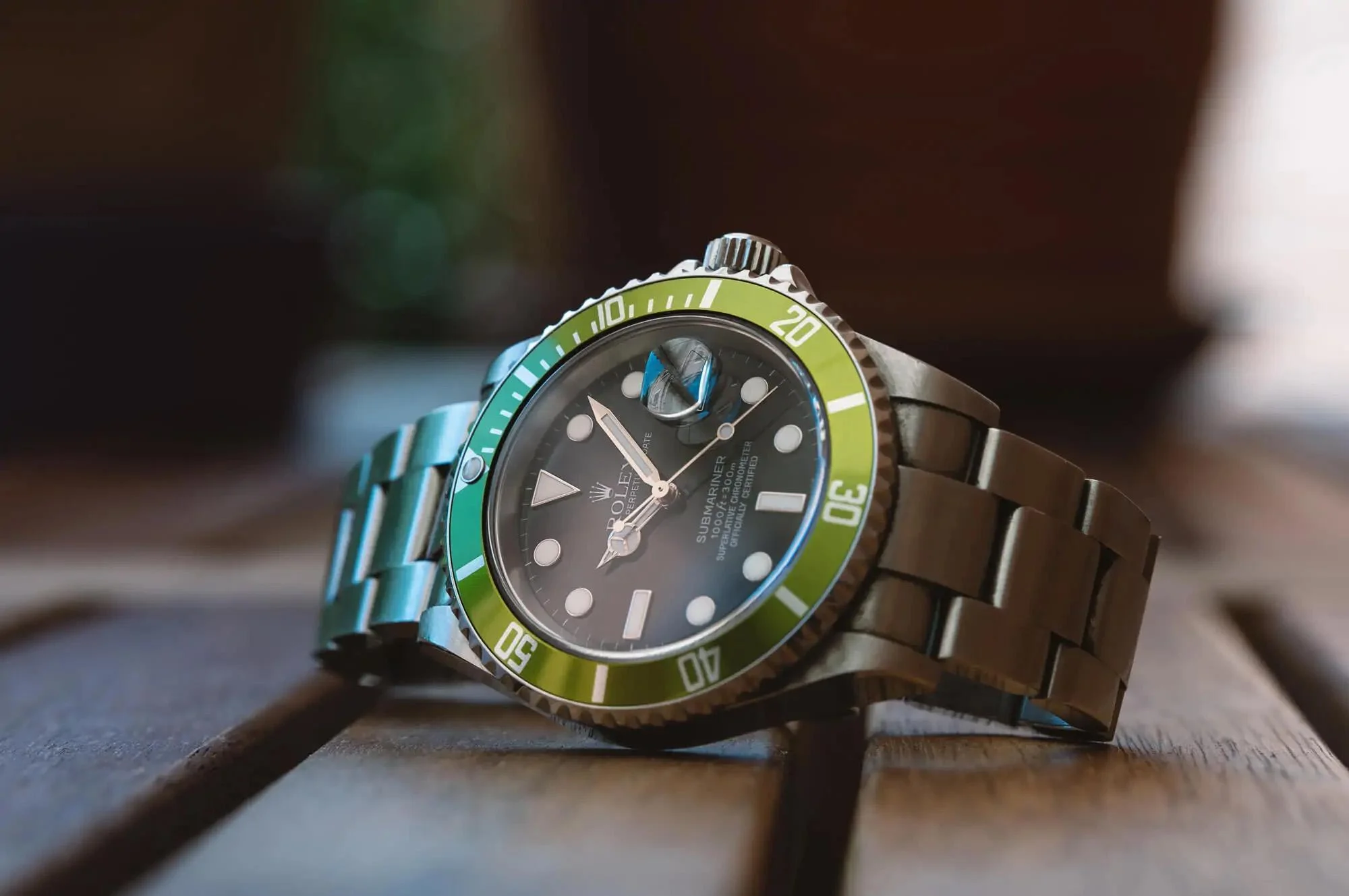
Collectors often have strong opinions about discontinued Rolex models like the Submariner "Kermit," and the current market value may surprise some. Unlike typical consumer goods that depreciate, certain Rolex references have developed a unique market dynamic, characterized by supply limitations and fluctuating demand. This complexity reveals not only the allure of these timepieces but also the fundamentals of their financial value, making it essential for potential sellers and buyers alike to grasp the nuances of the market.
Market Dynamics of Discontinued Rolex Models
Rolex's business model is key to its watch values. The brand refrains from discounting its timepieces and maintains tight control over supply. When a model is discontinued, such as the two-tone green Submariner, the available inventory is fixed, leading to increased demand driven by scarcity. This often results in prices that soar above the original retail price, particularly for models featuring unique dial colors, upgraded movements, or limited production runs. Collectors are generally willing to pay a premium for these unique features, underscoring how luxury items often operate on different economic principles compared to traditional goods.
This can catch many owners off-guard: the potential sale price of a watch is largely independent of its retail cost, previous quotes, or appraisals from years past. The current market value is determined by recent sales data, auction results, and current dealer pricing, providing a real-time snapshot of what similar watches are commanding. This disparity can lead to inflated expectations among owners, especially when past appraisals suggested values that are no longer reflective of market realities. It's important to stay current in such a fluctuating market if you're working in this space—knowledge is power, after all.
Understanding Appraisal Differences
Many individuals rely on insurance appraisals to gauge their watches' worth. However, these valuations are meant to cover full replacement costs, often inflated to ensure the client is adequately insured. This practice, while beneficial for insurance purposes, can mislead owners about their watches' true market value. For instance, owners might believe that their timepieces are worth more simply because their insurance appraisals don’t account for current market conditions.
A fair-market value assessment, in contrast, takes into consideration what buyers are actually willing to pay at any given moment. This distinction is crucial, as conflating the two can lead owners to mistakenly believe their watch is worth significantly more—or less—than its true market price when contemplating a sale. A watch's intrinsic value may not align with its perceived value in the insurance context, and this disconnect can create financial pitfalls for those who don’t do their due diligence before entering the market.
Establishing Fair-Market Offers
The process behind determining a credible resale offer is comprehensive and data-driven, relying on actual transaction figures rather than hypothetical price lists. This involves thorough analysis of recent sales of comparable models, considering their condition and any accompanying documentation such as original boxes and papers. Market trends fluctuate frequently, which makes a keen understanding of current sales critical.
Companies like Diamond Banc, which purchase pre-owned Rolex watches and offer loans against them, specifically utilize these market-driven insights rather than inflated replacement costs. Their specialists authenticate watches before providing an offer, ensuring owners receive accurate, up-to-date valuations. The authentication step is vital, as a counterfeit or refurbished watch can significantly impact its resale value. Individuals interested in determining their watch’s current market value can request a tailored offer based on this real-time data, eliminating the guesswork typically associated with older appraisals. (And this is the part most people overlook: the importance of authenticating the watch not just for resale but for preserving its intrinsic value.)
Key Insights for Rolex Owners
Owning a discontinued or rare Rolex doesn't guarantee immediate financial gain, and relying solely on outdated appraisal values can lead to misconceptions. The secondary market follows its own unique rules based on actual sales, diverging significantly from estimates designed for insurance purposes. Understanding these nuances can equip Rolex owners with the knowledge they need to navigate the resale market effectively. If you’re considering selling, be strategic. It’s more about timing and market understanding than mere ownership.
Implications and Future Outlook
The ongoing fascination with Rolex watches, particularly discontinued models, suggests a continuing trend where scarcity drives demand. Given the volatility of the luxury watch market, potential owners and sellers must remain vigilant. As new models are introduced, the dynamics of value can shift dramatically. Collectors may find their investments maturing over long periods, yet short-term trading often yields unpredictable results. This is more significant than it looks, as market fluctuations can render once-lofty expectations dramatically off-base, leaving sellers either frustrated or pleasantly surprised.
In the coming years, as the economic landscape shifts—fueled by inflation pressures or consumer sentiment changes—the market for Rolex watches may experience a recalibration. The expectations and strategies of collectors will need to adapt. Authenticity, documented history, and market trends will ever be pivotal in securing fair-market offers, making ongoing education essential for those who wish to engage meaningfully in this niche market.


Discussion
Sign in to join the discussion.