A recent survey reveals 18% of U.S. employees face significant job expectation gaps, highlighting the urgent need for better communication in workplaces.
Employment Disconnect: The Reality of Job Expectations
A striking trend has emerged from a recent survey that scrutinized the relationship between worker expectations and actual job responsibilities. The findings reveal a substantial disconnect: 18% of U.S. employees state that their current roles differ significantly from what they initially signed up for. This gap isn’t just about job titles; it extends to a broader ambiguity concerning daily tasks and career growth opportunities.
According to the
Hiring Bait-and-Switch Report, commissioned by
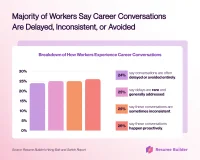
ResumeBuilder.com, employees are navigating a professional landscape marked by unclear expectations. A staggering 74% of respondents noted that discussions regarding career advancement are often inconsistent or postponed, underscoring a lack of proactive communication from management.
The Impact of Misalignment
The survey didn't just highlight the unexpected shifts in job roles; it painted a broader picture of workplace dynamics that are demoralizing for many. About 30% of employees reported feeling undervalued, a sentiment likely fueled by discrepancies between promises made during hiring and the reality they face in their roles. It raises an important question: What should employees do when their expectations clash with reality?
The survey shows that 56% of participants feel that their current responsibilities align reasonably well with the job description, albeit with notable changes. Yet, this leaves nearly 26% of employees who find their roles to be completely mismatched.
Expectations versus Reality: A Closer Look
The report delves deeper into role clarity, revealing that 20% of workers affirm their daily tasks are unpredictable or inadequately defined. This uncertainty has serious implications for employee morale and engagement. When asked how often they've experienced delays or avoidance in career progression discussions, 24% recount frequent frustrations while only 26% feel these conversations occur as anticipated.
Stacie Haller, Chief Career Advisor at ResumeBuilder.com, emphasizes the implications of this disconnect. "When workers accept a job, they’re making a significant career decision. If they find that the role doesn’t align with what was promised, it can lead to a sense of betrayal and confusion about their professional path."
This situation presents an urgent call-to-action for both employees and employers alike. How can organizations bridge this gap and work toward realigning expectations with reality? For those interested in a deep dive into the implications of these survey results, a full exploration can be found in the
full study. This is not just a HR issue; it’s a question of organizational integrity and workforce well-being.
Reflecting on Workplace Culture Adaptation
As companies strive to cultivate dynamic work environments, they must face the stark reality: while 98% of job seekers believe adapting to workplace culture is vital, almost half find the pressure to conform feels unjust. This disconnect highlights an underlying tension that could impact talent retention in the long run. If you’re in human resources or management, understanding this issue is paramount; you can’t afford to overlook the implications of cultural fit on employee morale and productivity.
Interestingly, a large 80% of Gen Z workers report adjusting their personalities to align with workplace norms, suggesting that the younger workforce is particularly susceptible to this phenomenon. The statistic that 75% of these individuals feel their workplace personas differ markedly from their true selves raises concerning questions about authenticity and mental well-being. After all, how can employees be fully engaged when they feel constrained to perform a version of themselves?
That said, while companies aim for cohesive cultures, this desire can backfire. The push for conformity might undermine diversity and stifle individuality, leading to a workforce that, while aligned in outward behavior, may neglect the rich array of perspectives that fuel innovation. These insights should serve as a wake-up call for leaders: fostering a supportive environment that celebrates diversity rather than demanding conformity could be the key to attracting and retaining top talent.
In conclusion, the challenge lies in balancing cultural expectations with the need for authenticity. What does this mean for you? It’s time to rethink your approach to workplace culture and consider strategies that promote flexibility while enhancing cohesion. As this discourse around workplace culture develops, staying attuned to the sentiments of your workforce will be essential in navigating the future of work.


Discussion
Sign in to join the discussion.