A potential Category 5 hurricane could result in over $300 billion in insured losses, highlighting Florida's increasing vulnerability according to Swiss Re.
Increasing Threat of Hurricanes
The threat of a significant hurricane impact on Florida's densely populated areas is rising. Swiss Re recently emphasized that if a Category 5 hurricane were to strike cities like Miami or Tampa Bay, insured losses could soar beyond $300 billion—potentially marking a record in insured loss events. As climate change intensifies weather patterns, the prevalence and scale of destructive storms are likely to escalate. Florida, particularly vulnerable due to its expansive coastline and burgeoning population, stands at a precarious intersection of natural disaster risk and economic exposure.
Historical Context and Comparisons
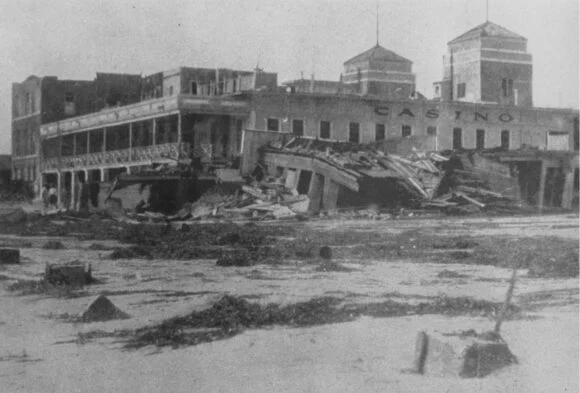
The reinsurer recalls the Great Miami Hurricane of 1926, one of the state’s most destructive storms, noting that a similar storm today would lead to approximately $200 billion in insured losses. That historical event reshaped countless lives and infrastructures, serving as a grim reminder of nature's fury. To put this in perspective, Hurricane Ian, which made landfall in 2022 as a Category 4 storm, resulted in about $63 billion in insured losses, highlighting the shifting scale of potential disaster impacts. With property values soaring and urban sprawl continuing, the financial stakes of such a storm have multiplied exponentially.
Modern Vulnerabilities
As Balz Grollimund, head of catastrophe perils at Swiss Re, pointed out in a recent report, the upcoming century brings into question not just the intensity of future hurricanes but also the vulnerabilities they will encounter in coastal cities. “This lesson extends beyond Florida; rising populations and increasing asset values in catastrophe-prone areas heighten the risk of substantial insured losses,” he noted. This perspective opens up a broader debate about urban planning and the sustainability of growing populations in disaster-prone regions. More people equate to greater asset concentration, which exponentially amplifies the overall risk. What about communities that aren’t prepared for such a potential disaster?
The past offers lessons that continue to ring true. Following Hurricane Andrew's landfall in 1992, which reshaped Florida's building codes, similar storms today are estimated to generate nearly $100 billion in losses. Andrew inflicted around $25 billion in damages at the time, but factoring in inflation and the substantial growth of Florida’s population and property market provides a stark contrast. The cost of inaction is becoming increasingly evident: as storms become potentially deadlier, the repercussions on insurance, government resources, and community resilience are grave.
Population Growth and Risk Assessment
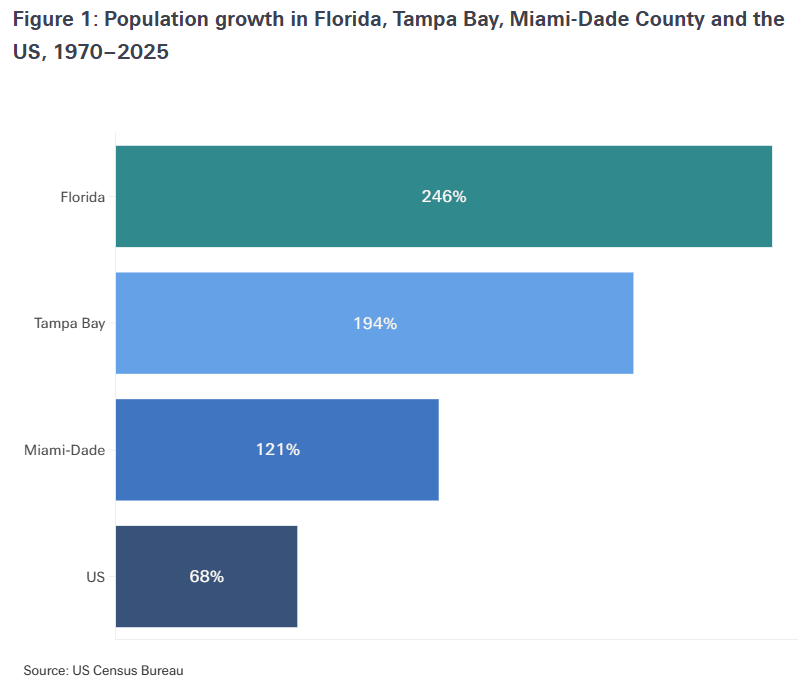
The report highlights that Miami-Dade County’s population, which was just over 100,000 in 1926, has surged to approximately 2.8 million today. This growth has resulted in more than two million homes in the Miami metropolitan area being at moderate or greater risk for hurricane wind damage, with potential reconstruction costs exceeding $600 billion. If you're working in this space, you understand that these figures represent more than just numbers; they hint at the socio-economic implications of large-scale displacement and the strain on emergency services post-disaster.
Insurance Industry's Preparedness
On a positive note, Florida's property insurers may now be better positioned to handle a major storm, aided by advances in catastrophe modeling, disciplined accumulation management, and improved mitigation strategies, according to Swiss Re. “The growth of traditional and alternative reinsurance can help mitigate the rising natural disaster risks,” the report asserts, emphasizing the importance of this support in the current $60 billion catastrophe bond market. The industry has become more sophisticated in its approach; however, it still faces considerable risks.
The reinsurer also notes that maintaining adequate risk transfer capacity must coincide with strong modeling practices, sound accumulation management, and proactive mitigation measures. Building codes that prioritize wind resistance and modernized approaches to construction can significantly reduce potential losses, as demonstrated during Hurricane Ian where updated standards helped many newer homes sustain less damage. (And this is the part most people overlook: while insurance coverage is essential, the resilience of infrastructure remains a critical factor in minimizing losses.)
Implications for the Future
Swiss Re's analysis calls attention to the reality that stronger building practices and improvements in construction can greatly alleviate the catastrophic impact of future hurricanes. The authors driving this report include Lucia Bevere, senior catastrophe data analyst; Erik Lindgren, wind perils lead; and James Finucane, head of life and health economic research at Swiss Re Institute. What happens next will depend on collective action: local governments, insurance companies, and residents must work collaboratively to enhance resilience. Ongoing debates about urban planning, regulation, and disaster preparedness will emerge as Florida continues to confront its hurricane reality. This is more significant than it looks—how stakeholders react now could define the state’s safety and fiscal health for generations to come.
Top photo: The wreckage of a Miami casino after the 1926 hurricane. (National Weather Service)


Discussion
Sign in to join the discussion.