Food security in Asia is increasingly at risk from El Niño-related weather extremes and geopolitical instability, particularly affecting nations like India and Indonesia.
Analysis of Food Security Challenges in Asia
Recent analysis by Verisk Maplecroft highlights escalating food security challenges in Asia, driven primarily by severe weather phenomena exacerbated by El Niño and geopolitical tensions related to ongoing conflicts, notably in Iran. These factors threaten agricultural stability across several key markets, propelling a potential rise in civil unrest. Asia, home to nearly 60% of the world's population, finds itself in a precarious position where disruptions in food supply can swiftly translate into societal instability. The interlinking of climate change and political strife often magnifies the vulnerabilities in this region, making it a focal point for food security concerns.
Specific Regional Impacts
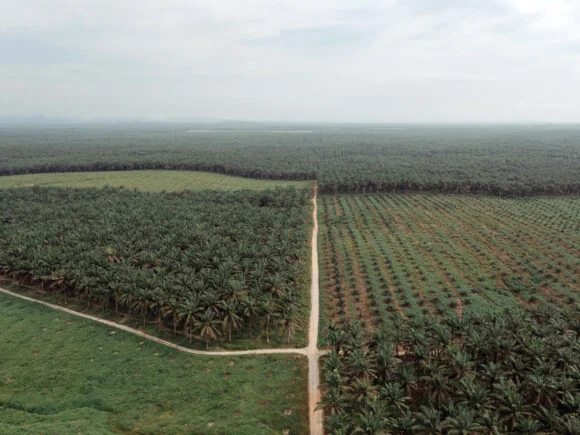
The situation is acute in Indonesia, the largest producer of palm oil, where uncontrolled wildfires are damaging crops. If Indonesia's palm oil production falters, the ripple effects could resonate throughout the commodity markets, impacting global prices, particularly for edible oils. Meanwhile, India, a leading rice exporter, is experiencing monsoon rains that are 15% below average, severely impacting agricultural output. This is significant since India accounts for around 25% of global rice exports. A decline in its supply could lead to increased prices around the world for this staple food.
Moreover, Thailand anticipates a diminishment in its much-anticipated sugar harvest as crop conditions deteriorate, which comes during a time when global sugar prices are already fluctuating. Rainfall patterns play a crucial role in sugarcane production, and with adverse weather conditions continuing, it raises questions on food self-sufficiency and economic stability in the nation. Agricultural production in these major markets illustrates a concerning trend: when one country's crop falters, the ramifications often extend far and wide, impacting food supplies and prices globally.
Food Inflation and Social Unrest
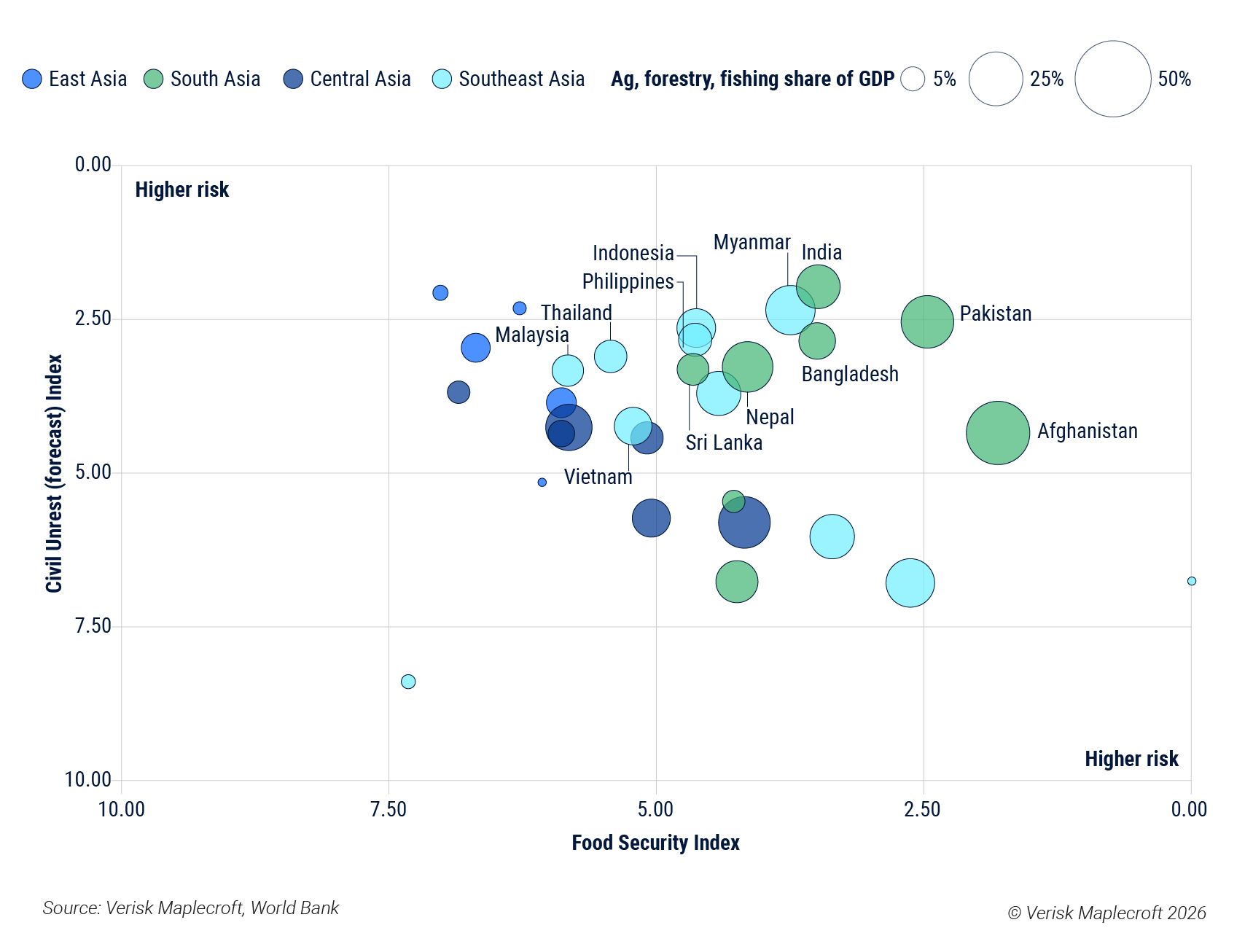
Such disruptions are amplifying food inflation, a well-documented catalyst for social upheaval. Historical evidence suggests that spikes in food prices often correlate with increased public dissent, given that food security is a foundational aspect of any population's stability. According to the latest report, many affected countries share high rankings on the Food Security Index and similarly perilous assessments on the Civil Unrest Index. Nations like India, Bangladesh, the Philippines, and Indonesia are on heightened alert due to recent protests driven by escalating food prices. The underlying issue isn’t just about food—it's about the erosion of faith in government responsiveness, which can lead to more significant civil discord.
Government Responses and Political Stability
The report suggestively links the intensifying pressures of food scarcity and rising prices to a potential increase in political instability. With ineffective responses from governments further fueling dissent, the ripples of food insecurity could lead to wider unrest. Governments in the region are grappling with not just agricultural policies but also the socio-economic repercussions that follow any mishaps in food supply chains. Given that many nations face existing internal challenges—from corruption to economic fragility—this adds another layer of complexity. If you're working in this space, a key takeaway is that food security will increasingly shape political agendas and governmental actions.
Implications for Conflict-Driven Regions
For regions already besieged by conflict, such as Afghanistan and Myanmar, any shocks to food availability could precipitate a humanitarian disaster. The international community often overlooks the interconnected nature of food shortages and conflict escalation. If food access diminishes in these already vulnerable areas, the potential for worsening humanitarian crises becomes alarmingly high. Notably, Thailand's reliance on imported fertilizers and energy compounds its vulnerability, especially as farmers struggle under the weight of mounting debts ahead of the next planting cycle. Farmers, having borrowed heavily for inputs, face dire consequences if they cannot produce enough to cover their costs, which could lead to devastating outcomes for both their families and local economies.
Critical Agricultural Decisions Amid Uncertainty
The implications of these agricultural disruptions are beginning to materialize. Verisk Maplecroft emphasizes that critical farming decisions regarding planting and fertilization occurred amid these crises. These decisions are pivotal but, unfortunately, cannot easily be rectified. As a result, adverse outcomes may be unavoidable even if the geopolitical climate improves soon. In agriculture, timing is everything. Delays caused by weather or unrest can have cascading effects on future harvests, threatening long-term food security.
Market Speculation and the Financial Outlook
Amid these challenges, speculative interest in the food sector is rising among hedge funds. For instance, ZAMS Asset Management anticipates that the current El Niño event could create a trading environment rich in opportunities, while Moreton Capital Partners aims to target approximately $500 million to capitalize on fluctuating food prices driven by climate variability. This speculative interest is worth watching closely. The financial markets are often reflective of fears and expectations around food security, so the stakes go beyond just numbers—they speak to real-life consequences for millions.
Future Outlook: Challenges Ahead
As conditions evolve, stakeholders will need to remain vigilant about the interplay between climatic threats and geopolitical instability that can spark significant disruptions in food security across Asia. This is more significant than it looks. The collective impact of environmental change and burgeoning social discontent will shape the future landscape of agriculture and food policy in Asia. As the stakes rise, so will the tensions both in food systems and social frameworks. The path forward is fraught with complexities, and understanding these dynamics is critical for anyone engaged in this field.



Discussion
Sign in to join the discussion.