Mary Gundel's TikTok exposure of Dollar General's staffing issues led to her dismissal, but she has since become a voice for workers’ rights as CEO of Dollar Store Workers United.
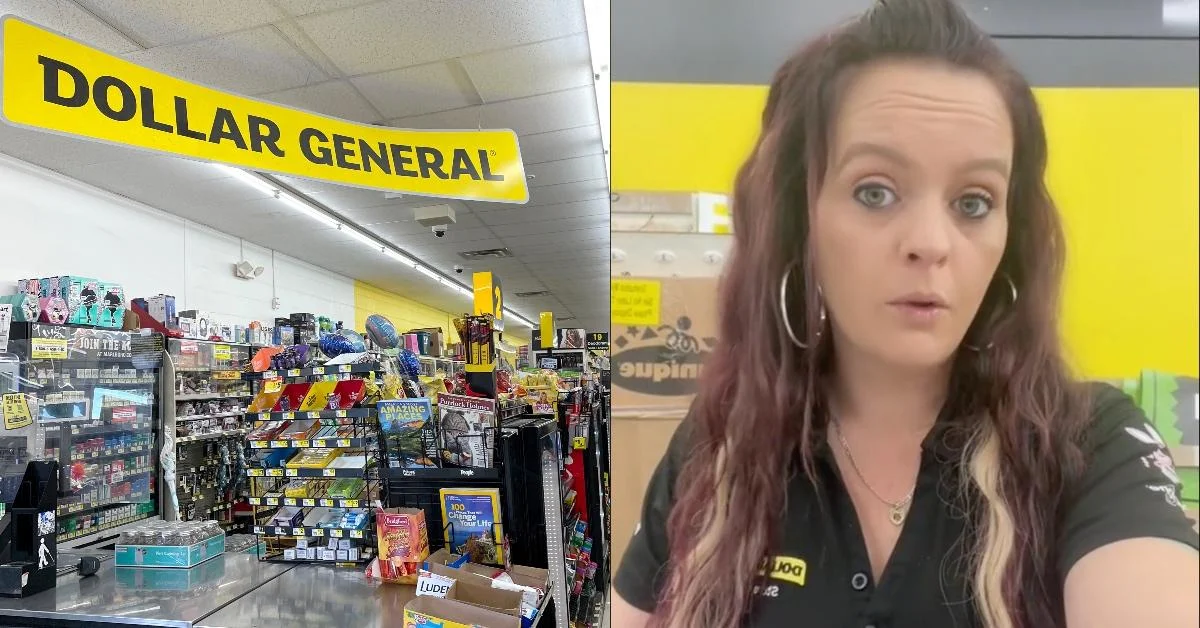
A former Dollar General manager in Florida, Mary Gundel, lost her job after sharing a TikTok video highlighting the retailer's chronic staffing shortages and harsh working conditions. Gundel, who voiced frustrations over inadequate staffing levels, transitioned from her managerial role to a leadership position as the CEO of Dollar Store Workers United, an organization advocating for retail workers' rights.
In her viral TikTok, Gundel showcased empty shelves and unprocessed boxes at her Tampa store, underscoring the retail environment's challenges. Her grievances resonate with widespread perceptions regarding Dollar General’s operational issues. Customers often experience these deficiencies, which Gundel argues are more about systemic staffing challenges than a lack of employee motivation. The haunting images of empty shelves are more than just retail mishaps; they signify deeper underlying issues, particularly in labor management and support systems.
Financial Realities Behind Staffing Challenges
While Dollar General offers competitive prices, Gundel claims the company undermines employee support by restricting staffing budgets. Initially assigned 198 hours per week for staff, that figure dropped significantly to just 130 hours, which left the store struggling to meet customer needs. Her location, classified as a “tier 3 store,” generated roughly $10,000 in daily sales and $3.5 million annually, yet the workforce was insufficient for the volume of business. It's a troubling paradox where the demand for goods far exceeds the ability to supply them, leading to potential revenue loss and customer dissatisfaction.
Such operational constraints aren't unique to Dollar General; many retailers face similar pressures. With rising inflation and supply chain disruptions complicating operations, it’s common for stores to cut back on labor as a quick fix to improve margins. Yet, the long-term implications of under-staffing could do more harm than good. A consistently poor shopping experience could deter customers and damage brand loyalty, which is difficult to repair once lost. In Gundel's case, the consequences of these staffing cuts are evident. The TikTok, designed to share a moment of clarity or frustration, turned into a beacon for larger systemic issues plaguing retailers.
Workload and Compensation Discrepancies
Despite managing significant sales, Gundel's salary was only $51,000 per year, a figure that feels inadequate given the excessive workload she faced. On top of typical managerial duties, she tackled unpacking deliveries, restocking shelves, implementing promotional displays, and other responsibilities—all while working up to 60 hours weekly without receiving overtime pay. This discrepancy between compensation and workload raises ethical concerns about how the service industry values its labor force.
This situation isn't just a personal grievance; it reflects broader trends in the retail sector where many workers feel that their contributions are undervalued. Retail has long been seen as entry-level work, often accompanied by low wages and limited benefits. That said, skilled management like Gundel’s plays a critical role in the success of these businesses, yet they are often compensated poorly compared to their responsibilities. There’s a growing sentiment that employees like Gundel deserve more recognition and better pay—a change that could transform the retail industry fundamentally.
Following the viral reach of her TikTok video, other employees began echoing similar concerns. For instance, another employee named Dani shared her experiences, further amplifying the outcry against perceived unethical labor practices within Dollar General's operations. The ripple effect here is noteworthy. When one individual speaks up, it often unlocks a floodgate of grievances from others in similar situations, suggesting a collective dissatisfaction brewing under the surface. This sort of solidarity can shift the conversation around workers’ rights and highlight the need for reform in labor practices.
Advocacy and Future Prospects
Gundel was dismissed on April 1, 2022, shortly after her TikTok exposure, but the incident has not silenced her. Instead, she has rallied other Dollar General employees to protest for better working conditions, including a planned walkout on May 2, 2022. Gundel encourages collective action and employee empowerment through her new initiative. There’s something significant about her journey from manager to activist. She’s navigating a challenging terrain: transitioning to a leadership role in advocacy while still being deeply connected to the struggles of retail workers.
Her advocacy extends to various social media channels, where Gundel continues to raise awareness about the challenges retail workers face. Although she briefly took a role at Five Below, her current focus appears centered on Dollar Store Workers United, where she aims to be a formidable advocate for change. (And this is the part most people overlook: social media has become the new battleground for workers' rights. It’s allowing employees to amplify their voices, reach broader audiences, and mobilize support for systemic change.)
Implications and Future Outlook
Gundel's story is not merely a personal narrative; it’s indicative of a larger movement. As more workers gain visibility through platforms like TikTok, companies might start feeling pressure to change. The implications here could be far-reaching. Retailers may have to rethink their staffing models to avoid public backlash and potential loss of business. If you’re working in this space, consider the potential shifts that might come in terms of labor practices and corporate responsibility. Companies may soon realize that keeping employees happy isn’t just a HR issue; it’s central to their financial success.
The significance of Gundel's actions and the broader wave of employee activism cannot be overstated. Workers across various sectors are increasingly willing to voice concerns about their conditions and seek change. This movement could mark a turning point in how retail and other industries approach employee relations, ensuring that voices stem not just from management but from the ground up. Change is upon us, though it's too early to gauge how far-reaching it might truly be. The next few months will likely be crucial in shaping the future for retail workers everywhere.


Discussion
Sign in to join the discussion.