An "Antiques Roadshow" guest learned his $1,500 painting by Helen LaFrance is now valued at upwards of $10,000, sparking reflections on art investment value.
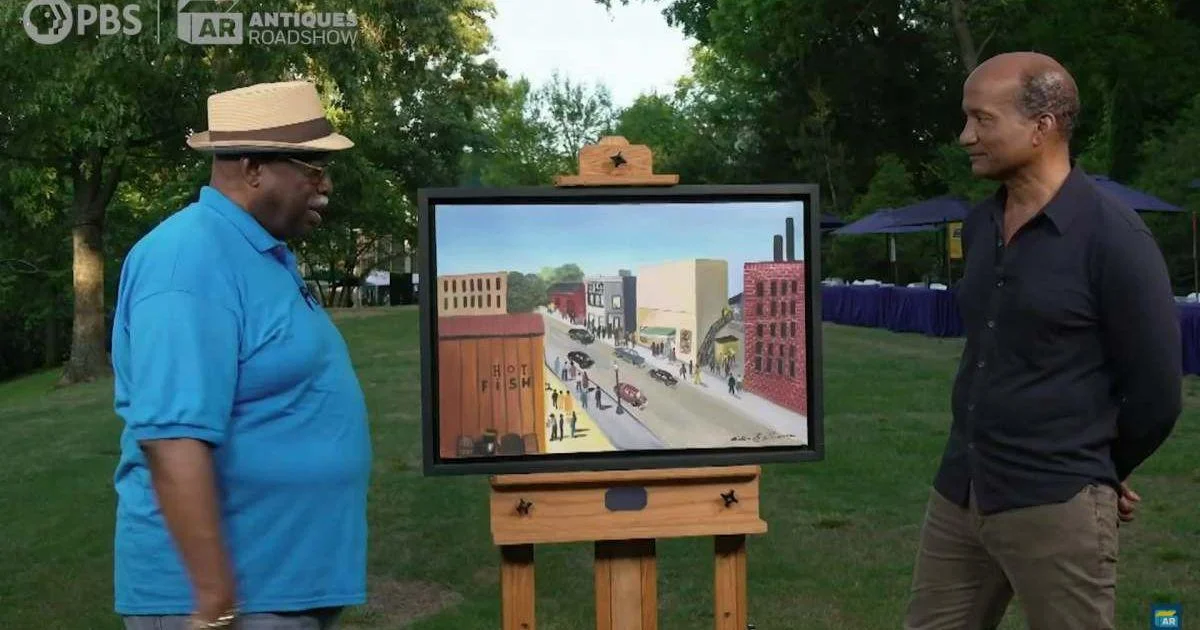
Art can be a powerful asset, offering not only aesthetic pleasure but significant investment potential. A recent episode of "Antiques Roadshow" showcased just how lucrative this can be, as a guest was flabbergasted to find out that his 20-year-old Helen LaFrance oil painting was appraised for more than $10,000—an astonishing increase from his original investment of $1,500.
The Magic of Discovery
The guest’s excitement was palpable, illuminating a wider trend among collectors: the often surprising value hidden in pieces that might initially seem insignificant. Art isn't merely decorative; for many, it represents an investment—one that can appreciate over time, sometimes dramatically. This particular instance demonstrates the potential of investing in art, which has drawn increasing interest from various demographics, especially those looking to diversify their investment portfolios beyond traditional assets like stocks and bonds.
The guest was inspired to acquire the painting partly because Oprah Winfrey owned one of LaFrance's works, showcasing how celebrity influence can play a role in the art market. This is more significant than it looks; many art enthusiasts begin their collections influenced by cultural icons. Pursuing pieces by Black artists not only enhances their collection but also contributes to the representation and recognition of historically marginalized voices within the art community.
Reflecting on a visit to a local dealer in Columbus, the guest recounted becoming enamored with the artwork. This emotional connection often drives art purchases. “The scene reminded me of the 50s and 60s when I traveled with my mother,” he explained, demonstrating how nostalgia can be a powerful motivator in art appreciation. The guest's experience illustrates that art can evoke memories and emotions, enriching the value beyond just the monetary aspect.
Understanding LaFrance's Impact
Appraiser Aaron Payne affirmed the painting's authenticity, noting that LaFrance was a significant figure in American art despite her late start—she only began painting full-time in her mid-60s and lived to be 101. Her story encapsulates both a personal and historical narrative that resonates deeply in today’s art market. Emerging artists, particularly women and people of color, are increasingly gaining attention, challenging traditional norms that often prioritize established white male artists.
Payne further categorized the piece as a "memory painting," describing LaFrance's unique style, which captures simple yet poignant scenes from her upbringing in rural Kentucky. This category of artwork often resonates more personally with viewers, enhancing its market appeal. LaFrance's style features bold colors and evocative imagery that invite contemplation, positioning her work as relatable and accessible to a broad audience—characteristics that contemporary collectors find increasingly appealing.
This particular work belonged to a series that featured community gatherings, a motif that reflects the artist’s broader themes of kinship and cultural identity. The significant emotional narratives behind LaFrance's art make these pieces not just investments but also conversations starters about race, history, and belonging in American society. Such depth in meaning can enhance the artwork's market value as collectors seek pieces that tell a story.
The Resurgence of Interest
The painting gained prominence partly due to rising interest in artists previously overlooked during their lifetimes. This rejuvenation is a notable trend where historically significant figures are finally receiving recognition, often as a result of efforts by art advocates and institutions to diversify their collections. "Several major collectors and museums have started acquiring her pieces in recent years," Payne noted, drawing connections between LaFrance's resurgence and a broader push for inclusivity in the art world. The increased visibility can be attributed to documentaries and exhibitions focusing on her life and work, which have stirred public interest.
During the appraisal, Payne calculated that at auction, the painting's value could fetch between $8,000 and $10,000—an assessment that visibly stunned the guest. “Wow! Okay, good deal. I am too old!” he exclaimed with a mix of disbelief and joy, nodding at the unexpected valuation. This reaction underscores the concept that art can serve as a transformative experience for individuals, not just financially but emotionally as well. It reinforces the idea that the stories behind art can impact its perceived value significantly.
The Future of Art Investment
To cap off his day, the guest revealed with a smile that he owns another painting by LaFrance at home, hinting that his investment journey might not be over yet. This experience highlights how the value of art can evolve over time—both financially and sentimentally, creating a rich narrative for collectors and enthusiasts alike. If you're working in this space, you'll understand that this not only applies to established names. Emerging artists can also offer fantastic investment opportunities.
What this means for you is that art investing doesn't solely rely on established prestige; it can also be about recognizing the potential in underrepresented artists. The emotional connections developed through pieces like LaFrance's contribute to their long-term value. As the art market continues to shift towards inclusivity, many more collectors could find themselves eager to explore the works of previously overlooked talents. Art's appreciation as both an emotional and financial asset is likely to continue growing, making for a fascinating journey into the realms of creativity and investment.


Discussion
Sign in to join the discussion.