IUCN and Colossal Foundation’s $4 million partnership aims to improve species conservation and address overlooked biodiversity challenges through technology.
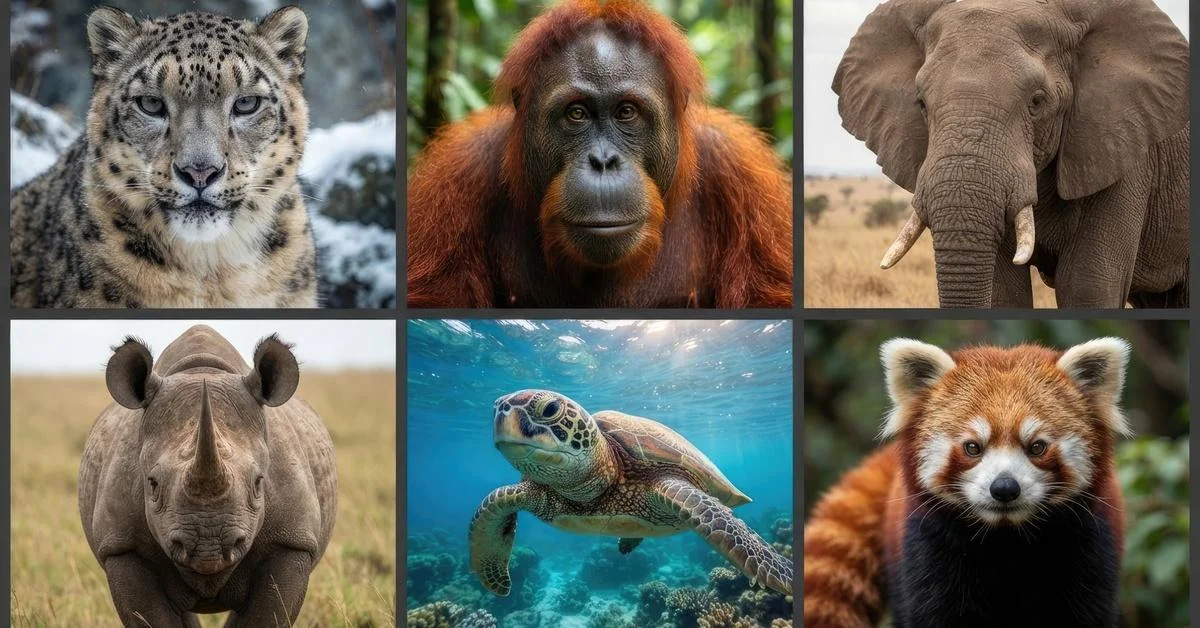
The global effort to combat species extinction receives a significant boost with a $4 million initiative from the IUCN Species Survival Commission (SSC) and the Colossal Foundation. This collaboration is geared towards enhancing the speed and efficiency of species conservation efforts worldwide. In an era where biodiversity loss is escalating, this initiative arrives at a critical juncture, emphasizing the need for immediate and effective action.
Building on Existing Expertise
Bringing together SSC’s vast network of over 11,000 conservation experts from 210 organizations across 186 countries, the program aims to employ Colossal’s scientific technology. The partnership seeks to streamline how scientists assess at-risk species, allocate resources to neglected flora and fauna, and explore innovative technologies that can be wisely applied to conservation. This multi-faceted collaboration emphasizes not just immediate financing but the integration of technological advancements into traditional conservation methodologies.
“The Species Survival Commission has spent more than seventy years building the scientific foundation the world relies on to understand which species are in trouble and why,” noted Vivek Menon, Chair of the IUCN SSC. He pointed out that the current crisis requires more agility than existing frameworks can provide, emphasizing that this partnership could offer the necessary tools to act with greater speed and efficacy. This perspective highlights an emerging theme in conservation: the intersection of science and technology is essential for addressing complex environmental challenges.
Significance of the IUCN Partnership
The International Union for Conservation of Nature is a pivotal entity in global conservation, with its Red List regarded as the premier source for tracking species’ conservation status. With almost 176,000 species evaluated, of which over 49,500 are classified as threatened, the need for more comprehensive assessments of the planet's biodiversity is evident. These statistics paint a stark picture: biodiversity is in peril, and the methodologies previously employed may not suffice for the scale of the crisis.
The collaboration with Colossal is set to address this critical gap. The partnership aims to harness Colossal’s expertise in genome sequencing, gene editing, and advanced technologies like artificial intelligence to tackle pressing conservation issues while maintaining the scientific integrity of the IUCN’s standards. Such an approach positions this partnership not just as a funding mechanism but as a transformative model that can redefine conservation practices. There’s a growing recognition that traditional conservation methods alone will not stem the tide of extinction.
By integrating advanced genetic techniques with long-established conservation practices, there's the potential to enhance the efficacy of species recovery efforts. Yet, such methods also raise ethical questions about how far science should go in its attempts to restore lost biodiversity. They challenge us to consider: where do we draw the line between intervention and natural selection?
Empowering Neglected Species
Beyond technology, part of this initiative includes a new grant program dedicated to supporting species that have historically received insufficient conservation funding and attention. This includes lesser-known organisms such as fungi, plants, invertebrates, and even specific fish and reptile species. The funding is expected not only to bolster SSC’s network but also to launch an awareness campaign aimed at enhancing public understanding of biodiversity and species restoration. This public engagement is vital; it’s easy to overlook species that don’t have the charisma of larger animals like elephants or tigers, yet these organisms play essential roles in their ecosystems.
This agreement builds on the preexisting relationship between Colossal and IUCN. Previously, Colossal has partnered in projects like Reverse the Red, which aims to promote species recovery alongside the World Association of Zoos and Aquariums, and has been involved in conservation initiatives targeting Asian elephants and Samoa's critically endangered manumea. Each of these efforts adds layers to their collaborative narrative, showcasing a commitment not just to technology but a holistic approach to conservation.
Colossal's focus on applying advanced genetic technologies to de-extinction efforts—such as their work with the dire wolf—has sparked discussions on using biotechnology not just for restoring extinct traits but also for safeguarding existing endangered species. The philosophical implications of such work are profound. Are we playing God, or are we simply making pragmatic choices in the face of inevitable extinction?
“Extinction prevention is a race against time, and those closest to threatened species should have access to every responsible tool that can help them win that race,” remarked Matt James, Executive Director of the Colossal Foundation. In the face of an ongoing extinction crisis, this partnership symbolizes a convergence of conservation expertise, funding, and emerging technology, all unified to work on a global scale. But while the ambition is commendable, the results of such initiatives will need to be closely scrutinized. Will they translate to meaningful change on the ground?
Future Outlook: What It Means for Conservation
The implications of the IUCN-Colossal partnership extend far beyond funding. By integrating technology with conservation, the initiative sets a precedent for how future projects can evolve. If you're working in this space, you might find that the blend of established scientific knowledge with modern technological advancements could redefine conservation strategies, making them more impactful and responsive.
What this means for you and others in the conservation field is clear: adaptability will be key. Emerging technologies and new methodologies can either supplement or disrupt existing practices, making it critical to remain open to change. This partnership may serve as a case study for how similar collaborations can be structured in various environmental sectors, particularly during times of crisis.
In the end, while the financial backing is advantageous, the real challenge lies in the execution. Will this initiative live up to its promise? The coming years will bring clarity, but as always, skepticism is warranted in a field where good intentions don't always translate into substantial results.



Discussion
Sign in to join the discussion.